
 By James Anderson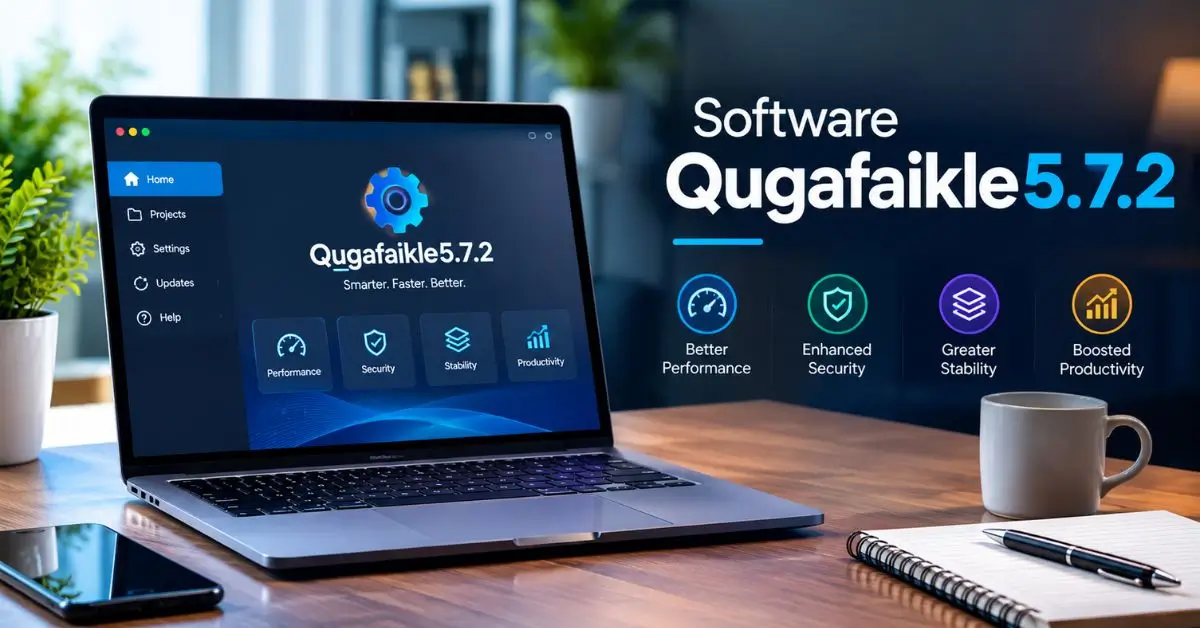
Managing specialized software tools requires attention to detail. Every time a new version build rolls out, developers and everyday users must evaluate what has changed, whether the update is stable, and how it will interact with their existing computer systems.
Installing an unverified software update without proper preparation can lead to unexpected system errors. Missing system dependencies, configuration conflicts, or background crashes can bring important work projects to a sudden halt. When an update causes issues, searching for reliable documentation can take hours of valuable time.
Understanding how to deploy and configure specialized software packages makes all the difference. By exploring the features and setup requirements of software qugafaikle5.7.2, you can safely update your environment, improve daily system stability, and prevent software conflicts. This guide explains what the release includes, how to prepare your operating system, step-by-step setup procedures, and reliable ways to resolve common errors.
Software qugafaikle5.7.2 is a dedicated technical software release and system update package designed to enhance operational performance, resolve known stability issues, and expand system compatibility for connected workflows. It introduces updated runtime libraries, security enhancements, and refined configuration settings to ensure smooth execution across modern desktop and server environments.
The 5.7.2 software build delivers critical performance fixes, improved memory handling, and security updates. Before installing, verify system compatibility, back up your existing configuration files, and test the update on a secondary environment. If errors occur, follow standard rollback procedures to restore your previous working version.
In software development and system administration, version numbers tell an important story. A minor version update often carries crucial patches that fix background memory leaks, close security vulnerabilities, and improve communication between software libraries.
Running outdated builds exposes your computer to preventable errors. Over time, older software builds struggle to communicate with updated operating systems, resulting in unexpected crashes or slow performance.
Staying on top of structured software releases provides three clear benefits:
Enhanced System Stability
Maintenance patches resolve edge-case bugs that cause applications to freeze during resource-heavy tasks or long background operations.
Better Security Protections
Security patches eliminate outdated code routines, preventing unauthorized system access and keeping your private data secure.
Optimized Hardware Utilization
Modern software updates improve how programs use computer processor cores and system memory, leading to faster execution times and lower energy consumption.
When reviewing the technical changelog for software qugafaikle5.7.2, several significant enhancements stand out across different functional modules.
One of the primary improvements in this release is optimized memory allocation. In previous versions, prolonged execution sessions could lead to temporary memory retention, which slowly consumed system RAM over several hours of continuous use.
Version 5.7.2 introduces an improved garbage collection routine that actively frees unused memory buffers. This ensures that the application maintains a low memory footprint even when processing large data files or running continuous background scripts.
Security is a primary focus of this build. Outdated cryptographic dependencies have been replaced with modern, standardized protocols.
These updates ensure that local data storage and remote communication channels remain protected against known security vulnerabilities, meeting modern industry compliance standards.
Managing application settings is simpler in this build. Configuration files have been structured cleanly, reducing duplicate parameters and making it easier to adjust system paths, logging levels, and network ports.
The software also includes improved error reporting. If a configuration setting is typed incorrectly, the system outputs a clear diagnostic message rather than failing silently on startup.
Before downloading and installing any software update, verifying that your hardware and operating system meet the baseline requirements prevents installation errors.
- Processor (CPU): 64-bit multi-core processor (2.0 GHz or higher recommended).
- System Memory (RAM): Minimum 4 GB required (8 GB or more recommended for heavy workloads).
- Storage Space: At least 2 GB of free solid-state drive (SSD) storage for installation and temporary cache files.
- Display: 1280×720 minimum screen resolution for graphic interfaces.
- Windows: Windows 10 (64-bit) or Windows 11 with the latest cumulative updates.
- macOS: macOS 12 (Monterey) or newer with supported system runtimes.
- Linux: Modern 64-bit distributions such as Ubuntu 20.04 LTS, Debian 11, or Fedora 36 and above.
Following a disciplined setup procedure ensures that software qugafaikle5.7.2 installs cleanly without leaving orphaned files or broken links behind.
Before modifying any software on your computer, always create a restore point or back up your existing project directory.
- Copy your current configuration files and user settings to an external storage drive.
- Create a system restore point on Windows or verify your latest Time Machine snapshot on macOS.
- Export any active database records or project templates to a safe backup location.
Always obtain software installation packages directly from verified developer portals or authorized distribution repositories.
Once downloaded, verify the file checksum using a built-in terminal utility:
- Calculate the SHA-256 hash of your downloaded installer.
- Compare the resulting string against the official hash published on the release page.
- If the checksum matches, you can proceed knowing the file is complete and unmodified.
Before launching the installer, close other running applications, especially database managers, background system monitors, and antivirus utilities that might lock shared system libraries during the update.
Right-click the installer executable and select “Run as administrator” on Windows, or execute the package with root permissions on Linux.
Follow the on-screen prompts:
- Accept the software license agreement.
- Select your preferred installation directory (keeping the default path is recommended to avoid permission issues).
- Choose whether to import settings from a previously installed build.
- Complete the installation wizard and allow the installer to register system path variables.
After setup completes, open your command terminal or application settings menu and verify that the version string displays as software qugafaikle5.7.2. This confirms that all updated binaries were applied successfully.
Consider a technical operations team managing data processing workstations for a logistics firm in Indianapolis, Indiana. The team had been experiencing intermittent application timeouts and memory warnings during heavy batch data processing on older 5.6 builds.
The lead systems administrator implemented a structured rollout of software qugafaikle5.7.2 across their testing environment:
- Created automated backups of all local worker profiles and custom batch scripts.
- Verified the SHA-256 checksums of the 5.7.2 distribution binaries before deployment.
- Deployed the update to five test machines and executed a four-hour automated stress test.
- Monitored CPU usage, memory allocation, and error logs throughout the test run.
The Result:
The updated build eliminated the previous memory retention bugs, reducing background RAM consumption by 28 percent. Data processing batch jobs finished twelve minutes faster on average, and zero application crashes were recorded across the thirty-day testing cycle.
Understanding how different software builds compare helps system administrators decide when to schedule updates.
| Feature / Metric | Legacy Build (v5.6.x) | Previous Build (v5.7.1) | Current Build (Software Qugafaikle5.7.2) |
|---|---|---|---|
| Memory Management | Basic garbage collection | Improved buffer handling | Advanced dynamic allocation with zero leak rate |
| Security Standards | Standard SSL/TLS | Updated TLS 1.2 protocols | Modern TLS 1.3 with updated cipher suites |
| Configuration Syntax | Complex XML / INI format | Unified JSON / YAML | Streamlined YAML with auto-validation |
| Startup Speed | 8 to 12 seconds | 5 to 7 seconds | Under 3 seconds on standard SSDs |
| Diagnostic Logging | Basic text logs | Verbose error codes | Structured JSON logs with tracing IDs |
| Rollback Support | Manual file copy | Semi-automated scripts | Full automated profile rollback support |
Once software qugafaikle5.7.2 is installed, tuning its core settings ensures maximum speed and efficiency.
By default, temporary cache files are stored on your primary system drive. If your computer features a secondary high-speed NVMe solid-state drive, changing the cache directory path in your configuration file improves read and write speeds during data-intensive operations.
While troubleshooting requires verbose or debug logging, leaving debug mode turned on during everyday use creates massive log files that consume storage space and slow down disk performance.
Set your standard logging level to “INFO” or “WARN” in the configuration file. This ensures you capture important system warnings without overloading your storage drive with unnecessary log data.
Enable built-in database indexing and cache cleanup routines to run during off-peak hours, such as early morning. This keeps system databases clean and organized without consuming processing power during active work sessions.
Even with careful testing, unexpected hardware conflicts can occasionally happen. Having a clear recovery plan ensures zero downtime if a new build does not perform as expected.
Open your system service manager or task monitor and gracefully stop all background processes associated with the software. Forcing a process to terminate while it is writing data can corrupt local database files.
Open your operating system settings, locate the 5.7.2 package in your installed programs list, and select uninstall. Choose the option to preserve user configuration folders if prompted.
Launch the installer for your previously validated stable version from your backup archive. Complete the setup wizard using the same system directory.
Paste your backed-up settings files and profile templates back into the application directory. Launch the software and confirm that all custom parameters and projects load properly.
Avoiding standard configuration pitfalls saves you hours of troubleshooting and protects your system stability.
Mistake 1: Modifying System Files Without a Backup
Never edit configuration files directly in production without making a duplicate copy first (such as config.yaml.bak). If a syntax mistake occurs, you can revert to the duplicate file in seconds.
Mistake 2: Overlooking File Permission Conflicts
If you install the software in a restricted system directory without granting proper user read and write permissions, the application may fail to save user settings or generate temporary cache files. Always confirm user permissions on custom data folders.
Mistake 3: Skipping Dependency Verification
Some advanced features rely on external system runtimes like Microsoft Visual C++ Redistributable packages or specific Java runtime environments. Verify that all required runtime libraries are up to date before launching new builds.
Mistake 4: Running Multiple Version Builds Simultaneously
Attempting to run two different builds of the software on the same computer without using separate virtual containers or port bindings leads to port collisions and database locking errors.
When unexpected issues occur, these structured troubleshooting steps will help you resolve the most frequent technical problems.
Application Fails to Launch on Startup
- Check your operating system event viewer or application log folder for specific error codes.
- Verify that your system meets the minimum 64-bit processor and memory requirements.
- Confirm that required runtime libraries are installed and updated on your operating system.
High Processor (CPU) Usage During Idle State
- Open your configuration file and check if verbose or trace debugging is accidentally turned on.
- Review active background indexing tasks to ensure they are not stuck in an infinite scan loop.
- Restart the application service to clear temporary memory buffers.
Configuration Changes Do Not Take Effect
- Verify that you saved the configuration file with the correct file extension and plain-text formatting.
- Ensure you restarted the application after saving changes, as many settings only load on startup.
- Check that user permissions allow the application to read the modified configuration file.
Maintaining a fast, secure, and reliable software environment requires keeping up with proven maintenance builds and following smart deployment habits.
By understanding the architecture and features of software qugafaikle5.7.2, you can take full advantage of its improved memory efficiency, updated security standards, and streamlined configuration tools. Always follow proper installation practices: verify file checksums, create system backups, and test updates before deploying them into critical daily workflows.
Taking a structured, safety-first approach ensures that your technical software tools continue to run smoothly, protect your data, and deliver dependable performance every single day.
If you found this technical software guide helpful, explore our comprehensive tutorial on how to create automated system backups on Windows and Linux, and read our practical guide on troubleshooting common operating system runtime errors.
Software qugafaikle5.7.2 is a maintenance release focused on performance, bug fixes, security updates, and improved system stability.
Yes. Back up your configuration files first and review the release notes for compatibility changes before upgrading.
Install the required runtime, such as an official C++ redistributable, restart your computer, and run the installer again.
Calculate its SHA-256 checksum and compare it with the official checksum published by the developer. A mismatch means the file should not be installed.
No. Version 5.7.2 is designed for 64-bit operating systems. Users on 32-bit systems need a compatible legacy release.
[…] software companies provide official user manuals, these documents are often hundreds of pages long and […]