
 By James Anderson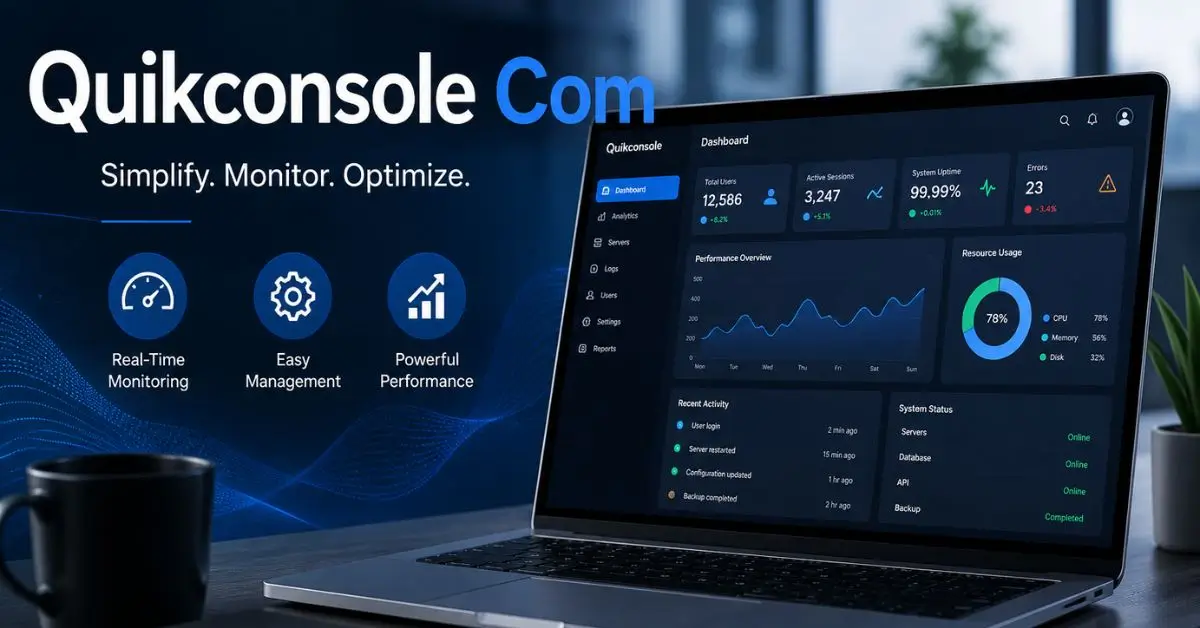
Programmers, system administrators, and IT students often need to run a quick terminal command, inspect a remote server, or test a short piece of code. Launching a heavy desktop development program or configuring a full local environment just to complete a two-minute task takes up valuable time and computer memory.
Web-based terminal platforms solve this problem by delivering fast, functional command-line environments directly inside an internet browser window. When you need instant execution without installing local packages, learning how to navigate platforms like Quikconsole Com gives you a fast and flexible way to handle technical tasks from any computer.
Whether you are debugging a script while traveling, practicing basic command syntax, or checking cloud server health, using an online console makes daily technical work simpler. This guide covers how web consoles operate, key features to look for, essential security habits, and practical tips for low-latency performance.
Quikconsole Com represents a web-based developer console and online terminal utility that allows users to run commands, test programming scripts, and interact with remote servers directly through an internet browser. It eliminates the need for complex local software installations by offering lightweight, instant access to system tools, diagnostic utilities, and code execution environments online.
Online developer consoles let you run terminal commands and test code snippets inside your browser with zero local software installation. To get the best results, use an updated Chromium browser, enable hardware acceleration, keep your private credentials offline, and practice basic terminal keyboard shortcuts to speed up daily work.
For many years, writing software and managing operating systems required dedicated desktop applications. You had to download local terminal emulators, configure environment variables, manage package paths, and resolve driver conflicts before typing a single command.
Cloud infrastructure and modern web standards have changed the developer workflow completely. Today, internet browsers can execute complex tasks at high speeds using technologies such as WebAssembly, WebGL, and persistent encrypted web sockets.
This technological shift makes online consoles practical for everyday work. You can log into a borrowed office workstation, use a lightweight laptop on a train, or work from a tablet with a physical keyboard, and immediately access your standard toolset without reinstalling software.
An efficient web terminal provides much more than a simple text window. It includes a complete set of productivity tools designed to make common technical chores faster.
The primary element of any web console is a clean, responsive terminal window. It accepts standard inputs, outputs clear text results, and supports multi-line commands.
Quality interfaces offer customizable font sizes, dark and light background themes, and quick-copy buttons that allow you to capture error logs or terminal outputs with a single click.
Software developers frequently need to test small blocks of Python, JavaScript, Bash, or SQL code to verify basic logic before adding it to a production repository.
Instead of creating new test files on your main hard drive, you can paste the snippet into the online console, run the test, review the output, and make adjustments immediately.
Network technicians often need to check server uptime, ping domain names, or review running system processes. Modern web consoles allow secure connections to remote servers using encrypted shell protocols.
This capability is especially helpful during emergency on-call shifts when an engineer needs to diagnose an issue quickly without access to their primary home office desktop setup.
Understanding how browser terminals fit into daily technical work helps you decide when to use them instead of traditional desktop software.
When building web applications, developers spend significant time testing API endpoints and inspecting server responses. Using an online console allows you to send test requests, inspect headers, and review returned data payloads without switching between multiple bulky desktop applications.
For students learning computer science, setting up local development paths and software packages can feel overwhelming. Web consoles offer a safe sandbox where beginners can practice file navigation, folder creation, and basic shell scripting without the risk of accidentally altering critical operating system files on their personal machines.
IT support teams often need to run quick diagnostic commands on client networks. A web console provides fast access to domain lookups, connection tests, and port checks from a clean browser tab, making technical diagnosis much faster.
Consider an IT support specialist working for a logistics company in Charlotte, North Carolina. While traveling between regional warehouse locations, a remote server managing automated barcode scanners stopped responding.
The technician did not have their primary office workstation available, only a lightweight secondary laptop with basic software.
By launching Quikconsole Com in a private browser window, the technician carried out three quick steps:
- Started a secure remote shell session to connect directly to the warehouse gateway server.
- Checked system memory and identified a stalled inventory background service using standard terminal commands.
- Restarted the background process and monitored the live scanner logs for three minutes to confirm system stability.
The Result:
The issue was diagnosed and resolved in less than five minutes from a remote location, preventing shipping delays across the warehouse network without requiring local software installations.
To understand where browser terminals fit into your overall workflow, here is a practical comparison of online consoles, local desktop terminals, and full desktop integrated development environments (IDEs).
| Feature / Factor | Web Consoles (like Quikconsole Com) | Local Desktop Terminals | Full Desktop IDEs |
|---|---|---|---|
| Installation Required | None (Runs directly in browser) | Pre-installed or lightweight | Heavy local software download |
| Startup Time | Instant (Under 3 seconds) | Fast (1 to 2 seconds) | Moderate (10 to 30 seconds) |
| System Resource Use | Very Low (Single browser tab) | Low | High (Heavy RAM and CPU usage) |
| Device Portability | Access from any modern device | Tied to local operating system | Tied to specific computer |
| Offline Capability | Limited (Requires internet) | Full offline support | Full offline support |
| Best Used For | Quick script tests, remote tasks | Local file work, native scripts | Large projects, full software builds |
Because web consoles run inside your internet browser, simple adjustments ensure your typing feels crisp and responsive without input lag.
Browsers like Google Chrome, Brave, and Microsoft Edge feature fast JavaScript execution engines that render terminal text and execute scripts smoothly. Keeping your browser updated to the latest stable release guarantees optimal speed and security.
Check that hardware acceleration is turned on in your browser settings. This allows your computer graphics card to handle font rendering and window updates, preventing CPU bottlenecks during long terminal sessions with thousands of lines of output.
If you have dozens of open browser tabs streaming media or loading heavy web pages, your browser may throttle background memory. Close unnecessary tabs before starting intensive terminal work to keep your keyboard inputs immediate.
Working with code and remote servers requires careful security habits. When executing scripts on Quikconsole Com or related web tools, protecting your private data should always be your top priority.
Avoid hardcoding sensitive credentials, API keys, or private SSH keys directly into shared or public console windows. Use environment variables or temporary access tokens whenever possible.
If you must input credentials during a session, ensure the connection is fully encrypted via HTTPS, and clear your session history immediately after finishing the task.
Always check your browser address bar to confirm you are on the legitimate website with a valid SSL certificate. Look for the secure connection indicator before entering commands or connecting to remote endpoints.
When you finish running commands on a public or shared computer, always log out of your session, close the browser window, and clear temporary browser cache files. This prevents subsequent users from viewing your command history or cached outputs.
Mastering basic terminal shortcuts makes your daily console workflow significantly faster. Here are simple keyboard commands that work across most online terminal environments:
- Ctrl + L: Clears the active console screen without deleting your command history.
- Ctrl + C: Stops a running script or active terminal process immediately.
- Ctrl + A: Moves the cursor to the very beginning of the current command line.
- Ctrl + E: Moves the cursor to the end of the current command line.
- Up and Down Arrow Keys: Cycles through your recently used commands so you do not have to retype long instructions.
Practicing these basic combinations for just a few days will make your daily console navigation feel natural and effortless.
Evaluating web terminals objectively helps you understand when to use online tools and when to rely on traditional local software.
Instant Accessibility
You can launch an active terminal session in seconds from any computer without downloading installation files or configuring local paths.
Low Hardware Demands
The lightweight design ensures terminal sessions run smoothly even on older laptops, budget computers, or mobile tablets.
Safe Educational Sandbox
Students can practice command-line syntax and script execution without risking damage to their personal computer operating system.
Internet Dependency
You need an active, stable internet connection to run commands and connect to remote servers. Offline practice modes are limited.
File Access Constraints
Browser security sandboxes prevent web consoles from interacting directly with your local hard drive without explicit file upload permissions.
Compute Limits
Heavy software builds, large video processing tasks, and massive machine learning training runs are better suited for dedicated local hardware or specialized cloud compute instances.
If you experience technical hiccups while using an online console, these simple troubleshooting steps will help resolve common problems quickly.
Terminal Text Lags While Typing
- Check if your computer is running low on available RAM by opening your system task manager.
- Disable intrusive browser extensions such as auto-translators or grammar checkers on the console tab.
- Restart your browser to clear out temporary memory leaks.
Connection Times Out During Remote Sessions
- Confirm that your local internet connection is stable and not dropping data packets.
- Verify that the target server firewall allows incoming traffic on the specified port.
- Check if your workplace VPN or network proxy is blocking persistent web socket connections.
Commands Return Unexpected Formatting Errors
- Make sure you did not accidentally paste hidden rich-text characters or smart quotation marks from a word processor.
- Convert your code snippet to plain text before pasting it into the terminal window.
- Verify that your line endings match the operating system standard of the target environment.
Modern software tools should make technical work faster and more accessible, not more complicated. The rise of browser-based utilities shows how the technology industry is moving toward flexible, instant-access solutions.
By utilizing the tools and resources found across Quikconsole Com, developers, students, and IT specialists can manage remote systems and test code snippets without unnecessary friction.
Take a few minutes to learn essential keyboard shortcuts, keep your browser tuned for low latency, and always follow safe security habits when working with online terminals. With the right setup, you can handle your technical chores faster and more efficiently than ever before.
If you found this technical guide helpful, explore our practical guide on essential command-line tricks for developers, and read our comprehensive overview of top cloud developer tools for remote teams.
Quikconsole Com can be used to run terminal commands, test code, and perform basic remote tasks through a web browser without local installation.
No. You only need a modern browser such as Chrome, Firefox, Safari, or Edge and a stable internet connection.
Generally, reputable consoles use isolated environments, but never enter passwords, API keys, private keys, or sensitive company data into third-party tools.
Yes. Beginners can practice commands and test small code snippets without installing compilers, libraries, or development environments.
Common causes include unstable Wi-Fi, browser power-saving features, and firewall restrictions. Try a stronger connection, disable power-saving for the browser, or check network restrictions.
[…] software development and system administration, version numbers tell an important story. A minor version update often […]